

Can You Go From Blonde Balayage to Mocha Brunette Without Green Tones?
The Color Science Behind a Rich, Dimensional Brunette Transformation
Yes, blonde balayage can become mocha brunette without unwanted green tones. Previously bleached hair may lack the warm underlying pigments needed for balanced brown color. If a cool brunette formula is applied directly over very light, porous blonde sections, the result may appear muddy, grayish, or green. A professional colorist can assess the starting shade, restore appropriate warmth through color filling when necessary, and select a brunette formula suited to the hair’s condition. The process depends on your starting blonde, previous toners, desired depth, and porosity. The goal is a rich, dimensional mocha—not a color-correction surprise.
Why Can Blonde Hair Turn Green When Dyed Brown?
Imagine ordering a luxurious mocha latte and receiving something closer to swamp water. Not quite the transformation you pictured.
The issue often begins with missing underlying pigment. Bleaching oxidizes natural melanin, removing much of the warmth and depth that helped create the original brunette shade. A cool brown formula over pale blonde hair can therefore look unbalanced—especially when the lightened sections are porous or uneven.
The color wheel offers a useful starting point: red counters green, orange counters blue, and violet counters yellow. But hair-color chemistry is more complex than mixing paint. Dye concentration, existing toner, starting level, and fiber condition all matter. Professional color-correction guidance from Wella Professionals discusses restoring tonal balance when color becomes too cool or uneven.
Greenish brunette does not mean your hair suddenly made green pigment. It usually reflects how deposited cool tones interact with the hair’s underlying color and condition.

What Is Hair Color Filling, and Why Might You Need It?
Color filling, also called repigmentation, restores appropriate warm tones before—or as part of—going darker. It can help a brown shade look balanced rather than hollow, flat, or unexpectedly cool. Not every transformation requires a separate filling step; sometimes the chosen formula already includes the necessary warmth.
| Starting color | Possible challenge | Professional consideration |
|---|---|---|
| Platinum blonde | Very little underlying warmth | Warm filling may be useful |
| Ash blonde | Residual cool toner | Assess existing pigments first |
| Golden blonde | Some warmth remains | Adjust formula rather than automatically fill |
| Caramel balayage | Different levels across the hair | Zone-specific application |
| Porous bleached ends | Uneven uptake and fading | Strand test and gentler planning |
Think of filling as preparing a canvas: the final mocha formula performs best when the underlying colors make sense for the desired result. The exact filler—gold, copper, red, or a blend—depends on the levels involved.

How Do Colorists Turn Blonde Balayage Into Mocha Brunette?
Mocha brunette combines brown depth with nuanced warmth and coolness. The exact interpretation varies by formula, starting color, and salon technique. A thoughtful transformation typically follows these steps:
- Map the starting color: identify natural roots, lightened lengths, pale ends, and old toner.
- Check hair condition: look for breakage, porosity, elasticity, and previous chemical processing.
- Choose the brunette depth: soft medium mocha and deep espresso require different strategies.
- Plan the warmth: decide whether filling is needed and how it will be delivered.
- Consider a strand test: evaluate color uptake on representative lightened sections.
- Apply by zone: roots, mids, and ends may require different formulas or timing.
- Discuss upkeep: plan for washing, tonal changes, and future appointments.
Why take porosity seriously? A 2018 study in the International Journal of Cosmetic Science found that progressive bleaching was associated with increasing protein loss and changes in the cuticle and cortex (research summary). That is one reason two blonde sections may not respond identically to the same dye.
Bring two or three mocha-brunette reference photos taken in natural light. Warm indoor lighting can make the same color look noticeably different.
Does Going Brunette Repair Bleach-Damaged Hair?
No. Going darker changes appearance, not the underlying history of the hair fiber. Bleaching can affect cuticle structure, proteins, and the cortex—not only pigment. A 2024 microscopy study documented structural changes in excessively bleached fibers (study). Research published in 2019 also associated chemical processing with cuticle wear and protein loss (study).
Fresh brunette color may make lengths look more uniform and glossy. Conditioners can improve feel, manageability, and lubrication. But these cosmetic benefits do not recreate the original unprocessed hair.
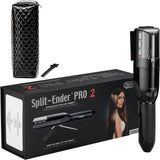
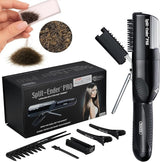
Previously bleached ends still deserve gentle detangling, conditioning, sensible heat styling, and appropriate trimming. The Split Ender Pro2 is designed to trim damaged tips while helping preserve overall length between traditional haircuts. It does not rebuild the hair fiber or replace a professional color service.
Read next: Dark Chocolate Brunette: Can Going Dark Undo Bleach Damage?
How Do You Keep Mocha Brunette From Looking Muddy or Fading Unevenly?
Previously bleached hair may release deposited color differently from naturally brunette hair. As tones shift, warmth can reappear—or a cool shade can begin to look dull. Professional guidance from Wella explains how underlying warmth influences visible color.
Cleanse according to your scalp’s needs
Choose products suited to color-treated hair, and avoid washing more often than necessary. There is no ideal universal schedule.
Condition the previously lightened lengths
Focus on mids and ends to improve slip and reduce unnecessary tangling and friction.
Use toning products carefully
Purple and blue shampoos are not automatic fixes. Adding more cool pigment to an already ashy mocha may make the imbalance worse.
Moderate heat and consider a professional gloss
Use heat protection and the lowest effective styling temperature. Ask whether a gloss could refresh tone or shine without repeating a full color service.
Related reading: Hair Gloss Treatments: Healthier Hair or Just More Shine?

What Should You Ask Your Colorist Before Going Mocha?
A brief consultation can prevent a lengthy color-correction appointment. Bring your full color history, including box dye, toner, bleaching, and other chemical treatments.
- Will my lightest blonde sections need filling?
- Can we preserve balayage dimension rather than create one flat shade?
- How will my previous toner affect the result?
- Should we test the most porous sections first?
- What upkeep will this particular formula require?
If your hair breaks easily or feels unusually stretchy when wet, your colorist may recommend postponing further chemical processing. And remember: going darker does not mean giving up dimension. Soft variation can complement the original balayage placement.
Explore shades: Low-Maintenance Fall Brunette: Espresso, Cinnamon and Candlelit Hair
Keep Your Lengths Looking Their Best
A thoughtful color plan and gentle daily care go hand in hand. Maintain your ends between salon visits without confusing trimming with chemical repair.
Discover the Split Ender Pro2 →Frequently Asked Questions
Can I put brown box dye directly over bleached blonde hair?
You can apply it, but the result may be unpredictable. Very light or porous hair can develop uneven or overly cool tones. A professional assessment is advisable for a major color change.
Will my blonde balayage definitely turn green if I go brunette?
No. Green tones are possible, not inevitable. Your starting color, previous toner, porosity, formula, and whether sufficient warmth is included all influence the result.
Do I need red filler before going mocha brown?
Not always. Depending on the starting blonde and desired brunette depth, a colorist may use gold, copper, red, or a combination—or may not need a separate filling step.
Can I go back to blonde after coloring my hair brunette?
Often, but removing artificial brunette pigment may require more chemical processing. Previously bleached hair needs careful assessment before lightening again.
How do I fix brunette hair that has already turned green?
Avoid layering random dyes or toners. A professional colorist can assess the unwanted tone and select a corrective formula, potentially including appropriate warmth.
Blonde balayage can become beautiful mocha brunette without unwanted green tones. The secret is assessing the starting color, accounting for missing warmth and uneven porosity, and choosing an appropriate formula. Richer-looking hair is not automatically repaired hair—so protect your lengths after the transformation, too.
Continue Exploring Hair Science
Scientific & Professional References
- The physical and chemical disruption of human hair after bleaching. International Journal of Cosmetic Science (2018).
- Effects of excessive bleaching on hair: external morphology and internal microstructure (2024).
- Chemical and physical treatments damage Caucasian and Afro-ethnic hair fibre (2019).
- Wella Professionals: Color Correction Scenarios.
- Wella Professionals: How to Get Rid of Brassy Hair.