

THE COLOR ISSUE · BEAUTY & SCIENCE
Cherry Cola Hair Is Back—But Is It Brunette, Burgundy, or Red?
The most intriguing shade of the season refuses to pick a side. Here's how to decode its dark, delicious dimension.
Cherry cola hair is a deep brunette-based hair color with rich cherry-red, burgundy, or violet undertones. It isn't strictly brown or red; it's a dimensional combination of both. In softer indoor lighting, cherry cola often looks like dark chocolate brunette, while sunlight can reveal its wine-red reflections. The exact result depends on your starting hair color, the dye formula, and the lighting.
Think of it as the little black dress of red hair: understated at first glance, unforgettable when the light hits. And unlike a single flat shade, its appeal lies in the contrast between a dark foundation and flashes of fruit-toned color. The trick is knowing which version you actually want before you sit in the salon chair.
What Color Is Cherry Cola Hair, Exactly?
There is no universal salon formula called “cherry cola.” It's a descriptive name for a family of dark red-brown looks. Some colorists create a nearly espresso base with translucent cherry reflections; others choose a brighter wine-red finish. Neither is automatically wrong, but the results can look dramatically different.

Natural hair color gets much of its appearance from two pigment families: eumelanin, associated with brown-black tones, and pheomelanin, associated with yellow-red tones. Cosmetic dyes add another layer of color to that starting canvas. That is why identical dye formulas need not look identical on different heads of hair. For background on pigment chemistry, see the NCBI overview of hair anatomy.
Before choosing a shade, ask whether you prefer a brown-first result with discreet ruby flashes or a red-first look that reads burgundy even in indoor light. That single distinction is more useful than a hundred inspiration screenshots.
Cherry Cola vs. Burgundy, Auburn, and Chocolate Cherry: What's the Difference?
Hair-color names are marketing shorthand, not standardized measurements. Still, these four descriptions can help you and your stylist speak the same language.

| Shade | What you usually see | Overall mood |
|---|---|---|
| Cherry cola | Dark brunette with noticeable cherry or wine-red reflections | Moody, dimensional |
| Burgundy | Cooler wine-red, sometimes with stronger violet character | Bold, jewel-toned |
| Auburn | Warm reddish brown, often copper-leaning | Sunlit, earthy |
| Chocolate cherry | Chocolate brown with softer, subtler red accents | Quiet luxury |
Notice how the copper warmth of auburn changes the entire personality of the shade. Cherry cola tends to feel cooler and deeper, although individual formulas vary. If you're comparing the broader seasonal palette, our fall hair trends guide offers more context.
Editorial tip: compare reference images under similar lighting. A filtered photograph of burgundy hair at sunset can look remarkably close to cherry cola in a studio portrait.
Why Does Cherry Cola Hair Look Brown Indoors but Red in Sunlight?
Here's the part that makes this shade so photogenic. The light illuminating hair changes which reflections your eyes and camera can detect. Under dim, warm indoor lighting, the dark brown base may dominate. Bright daylight can make the red and burgundy reflections easier to see. It is a change in appearance, not the dye suddenly changing identity.

Hair is also a complex optical surface. Individual fibers reflect light differently depending on their orientation, surface condition and the viewing angle. Smooth-looking, aligned strands often produce more defined highlights; roughened surfaces scatter light more diffusely. Learn how the outer layer behaves in our hair cuticle guide.
For an accurate preview, ask your colorist to show the result near a window and under the salon's usual lights. Smartphone cameras can exaggerate reds, so judge the hair in person whenever possible.
How Do You Ask Your Colorist for the Right Cherry Cola Shade?
Don't walk in and say “cherry cola” as though it's a universal paint code. Bring two or three reference images and explain what you love about each: the darkness of the base, the strength of the red, and whether you want cool plum or warm cherry notes.
“I'd love a deep brunette base with cherry-red reflections that show in daylight. I want it to look more brown than purple indoors. Can we discuss what my current color will allow?”
- Show a daylight reference. It reveals the undertones more honestly than heavily edited imagery.
- Name your base preference. Espresso, dark chocolate or medium brunette will produce different impressions.
- Specify red versus violet. “Cherry, not purple” can be a crucial distinction.
- Discuss your color history. Previous permanent dye may affect what is achievable.
- Ask about lightening. Dark hair may show subtle red without it; brighter results can require more processing.
- Request a strand test when appropriate. It helps preview tone and hair response.
- Agree on upkeep. Ask what refreshing the shade will involve before committing.
Coloring is chemistry, not a filter. The American Academy of Dermatology notes that lightening hair substantially can require more peroxide and cause more damage; staying closer to your natural shade can be gentler. See its hair-coloring guidance.
How Do You Keep Cherry Cola Hair Glossy Without Overdoing It?
The glamorous answer is restraint. Choose a conditioner appropriate for your hair type, detangle gently, and use lower heat whenever possible. The AAD advises using the lowest heat setting that achieves your styling goal and limiting how often hot tools touch the hair. Its healthy hair tips are a useful starting point.
Red-toned artificial color can gradually lose vibrancy, but constant recoloring isn't the only way to preserve a polished look. Discuss color-depositing maintenance or professional gloss services with your stylist rather than layering treatments indiscriminately. Our hair gloss explainer separates visible shine from actual repair.
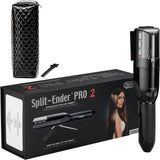
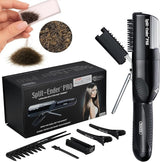
And remember: shine and healthy ends are related, but not interchangeable. A gloss may improve appearance without reconnecting a physically split fiber. If your ends are visibly frayed, read our split-end prevention guide. For those who prefer targeted trimming between salon visits, the Split Ender Pro2 is an option for removing protruding damaged ends; it does not repair chemical damage or preserve dye molecules.
Cherry cola's real luxury isn't how loudly it announces itself. It's the moment a seemingly classic brunette turns toward the light and reveals something unexpected.
Cherry Cola Hair: Frequently Asked Questions
Is cherry cola hair more red or brown?
Cherry cola hair is generally a brunette-based shade with visible red, burgundy, or violet reflections. Some versions lean noticeably red, while others appear almost chocolate brown indoors. The balance depends on the starting hair color, the chosen formula, and the lighting. Bring reference photographs to your colorist rather than relying on the shade name alone.
What is the difference between cherry cola and burgundy hair?
Cherry cola usually emphasizes a deep brown base with cherry-red or wine-colored reflections. Burgundy hair often has a stronger cool red or violet appearance throughout. However, salon names are not standardized, so the two can overlap. Comparing photographs under similar lighting is more reliable than assuming every brand or stylist uses the same definition.
Does cherry cola hair look good on dark brown hair?
Yes. Dark brown hair can provide a natural-looking base for subtle cherry cola reflections. On very dark hair, the red tones may be most noticeable in strong light. A more vivid result may require additional color processing, depending on previous dyes and the desired brightness. A professional colorist can assess what is achievable without unnecessary damage.
Why does cherry cola hair look red in sunlight?
Sunlight contains a broad range of visible wavelengths and can reveal red reflections that are less obvious in dim indoor lighting. The apparent color also depends on the pigments present, hair surface condition, and how light reflects from the strands. This is why cherry cola hair can look deep brunette in one photograph and noticeably burgundy in another.
Is cherry cola hair difficult to maintain?
Maintenance depends on how vivid the red tones are, your starting color, and the coloring method. Red-toned artificial color can lose vibrancy with washing and environmental exposure. Use color-appropriate products, avoid unnecessary high heat, and follow your colorist’s recommendations. Keeping the ends in good condition also helps maintain a polished overall appearance.