

THE ACTIVE WOMAN'S HAIRCARE GUIDE
GYM HAIR CARE:
Train Hard, Protect Your Hair!
Stronger body. Smarter haircare.
Your workout should strengthen your body, not stress your hair!
Sweating is normal and healthy, and sweat does not directly cause split ends. The bigger concern is how you handle sweaty, tangled, or damp hair: tight ponytails, aggressive detangling, rubbing with a towel, and repeated heat. Choose a comfortable hairstyle secured with a soft scrunchie, wash according to your scalp's needs rather than automatically after every workout, press and blot instead of rubbing, and trim ends that have already split.
You do not have to choose between fitness and beautiful hair. Here is a realistic gym haircare routine, from your first warm-up to the moment you leave the locker room.
01 / BEFORE YOUR WORKOUT
Prep Your Hair Before You Sweat
A few thoughtful minutes before exercise can help reduce unnecessary pulling, tangling, and friction.

Choose a Gentle Hair Tie
Traditional elastic bands can grip tightly and create repeated friction in the same area of the hair shaft. A soft satin or fabric-covered scrunchie is often a gentler choice, especially if you exercise frequently.
Detangle Before Styling and Keep Products Light
Use a wide-tooth comb or an appropriate detangling brush, starting at the ends and working upward. If your hair needs extra slip, a small amount of lightweight leave-in conditioner on the mid-lengths and ends may help. Avoid overloading your scalp with heavy oils or styling products before an intense workout.
Smart Habits While You Train
If a ponytail begins pulling, adjust it rather than tightening it further. Pat your forehead and hairline with a clean towel instead of rubbing, and watch friction points: long hair rubbing against rough straps, collars, or equipment can become tangled.
GYM HAIR TIP: Your hairstyle should feel secure, not painful. If your scalp feels sore or your hairline is pulling, loosen it.
02 / WORKOUT HAIRSTYLES
Three Gym Hairstyles That Work With Your Hair

The best workout hairstyle suits your activity, stays out of your way, and does not place unnecessary tension on your roots.
The Comfortable Braid
A loose single braid or two relaxed braids can keep longer hair contained while reducing loose strands that rub against clothing and equipment.
Best for: Strength training, walking, cycling, and many cardio sessions.
The Soft Ponytail
A comfortable mid-height or low ponytail secured with a soft scrunchie is easy to adjust. Avoid pulling it extremely tight, and vary the position from day to day.
Best for: Moderate workouts, machines, and quick training sessions.
The Relaxed Bun
A softly secured bun keeps long hair away from your neck. Make sure it does not interfere with a bench, headrest, or exercise equipment.
Best for: Yoga, Pilates, and selected low-impact workouts.
Remember: No hairstyle is protective if it causes constant pulling. Repeated tension may contribute to hair breakage and, over time, traction-related hair loss.
03 / THE SCIENCE OF SWEAT
What Does Sweat Really Do to Your Hair?

First, an important fact: sweating is normal and healthy. Sweat helps your body regulate its temperature during exercise, and you do not need to prevent your scalp from sweating.
Sweat, Salt, and the Scalp
Sweat is mostly water, but it also contains electrolytes, including sodium and chloride. As moisture evaporates, some residue may remain on the scalp and hair. For some people, the combination of sweat, scalp oil, styling products, and prolonged dampness can contribute to discomfort, buildup, or an itchy feeling.
Does Sweat Cause Split Ends?
Not directly. Split ends develop when the hair fiber experiences accumulated physical and chemical damage from repeated friction, aggressive brushing, excessive heat, and certain chemical treatments. Humidity, meanwhile, influences the temporary bonds that help determine hair shape, which is one reason smooth styles may become frizzy during exercise.
SCIENCE TAKEAWAY: Sweat is a natural body function. Gentle cleansing, comfortable styling, and reducing friction matter more than trying to keep your scalp completely dry.
04 / THE GYM SHOWER
Wash Smart, Not Rough

Step One: Use Comfortable Water Temperature
Choose lukewarm water instead of excessively hot water, which can leave some hair and scalps feeling dry or uncomfortable.
Step Two: Focus Shampoo on Your Scalp
Apply shampoo primarily to the scalp, where sweat, oil, and product buildup accumulate. Massage gently with your fingertips, then let the lather rinse through the lengths instead of piling long hair on top of your head.
Step Three: Condition the Lengths and Ends
For many people, focusing conditioner on the mid-lengths and ends helps improve slip and manageability without weighing down the roots.
Step Four: Detangle Carefully
Hair can be more vulnerable to stretching and breakage when wet. Use a wide-tooth comb and work gently from the ends upward. Curly and textured hair may be easier to detangle while conditioned and wet.
Step Five: Press and Blot, Then Dry Gently

Instead of rubbing, gently press a microfiber towel or soft cotton T-shirt around your hair, without twisting it into a heavy wrap that strains the roots. If you blow-dry, apply a suitable heat protectant, choose a moderate setting, and keep the dryer moving. Give your roots a chance to dry before putting on a snug hat or tying your hair tightly again.
05 / NO-WASH WORKOUT DAYS
Sweaty Hair Doesn't Always Mean Shampoo
You do not necessarily need shampoo after every workout. Your washing frequency should reflect how much you sweat, your scalp's oil production, your hairstyle, and your hair type.
Your Quick No-Wash Reset
First: Remove your tight or damp workout hairstyle.
Next: Gently blot excess sweat around the hairline.
Then: Allow your roots to dry comfortably. A blow-dryer on a cool or low setting can help if needed.
Finally: Restyle with a soft hair tie or leave your hair loose.
Optional: Use a small amount of dry shampoo on dry roots if it suits your scalp. Dry shampoo absorbs oil; it does not cleanse the scalp or replace washing.
After a very sweaty session, swimming, heavy product use, or whenever your scalp feels uncomfortable, washing may be the better choice. Persistent itching, flaking, redness, pain, or unusual hair shedding deserves attention from a qualified healthcare professional or dermatologist.
06 / SPLIT ENDS & HAIR MAINTENANCE
Your Fitness Routine Needs a Hair Maintenance Routine
Even with gentle hairstyles and careful washing, the ends of your hair are older than the roots and have experienced more exposure to brushing, styling, friction, and the environment.
Can Split Ends Be Permanently Repaired?
Conditioners and styling products can temporarily improve the appearance and feel of damaged ends, but they cannot permanently fuse a split hair fiber back together. Once a strand has split, physically trimming the damaged portion is the reliable way to remove that split end.
MEET YOUR HAIR MAINTENANCE PARTNER
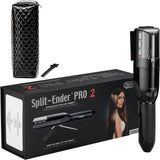
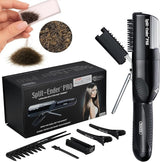
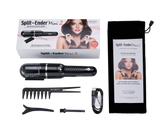
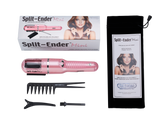
The Original Split Ender PRO
The original Split Ender PRO by Talavera Hair Products is designed to trim hair ends as part of a regular hair maintenance routine. For active women who want to maintain longer-looking lengths while managing damaged ends, it can be one option alongside appropriate haircuts and daily protective habits.
Always follow the manufacturer's instructions and recommended usage intervals. This is not a tool to use automatically after every workout.
DISCOVER THE ORIGINAL SPLIT ENDER PRO →The bigger picture: A trimming tool addresses damaged ends. Gentle gym hairstyles, appropriate cleansing, conditioning, and heat management help reduce additional stress between trims.
YOUR QUESTIONS, ANSWERED
Gym Haircare FAQ
Should I wash my hair after every workout?
Not necessarily. It depends on your scalp, hair type, sweat level, and product buildup. Some people need more frequent washing than others.
Is a ponytail bad for my hair?
Not automatically. The concern is repeated excessive tension, especially with very tight hairstyles worn frequently.
Can sweating make my hair fall out?
Normal sweating is not itself a typical cause of hair loss. However, tight hairstyles can contribute to traction-related hair loss, and persistent scalp symptoms or unusual shedding should be evaluated.
Should I apply oil before going to the gym?
It is not essential. Heavy oils may feel uncomfortable or contribute to buildup for some people. Choose products based on your hair and scalp needs.
Can the Split Ender PRO replace conditioner?
No. They serve different purposes. Conditioner helps improve manageability and reduce friction, while trimming removes hair ends. Both may have a place in a broader haircare routine.
Haircare education by Split Ender PRO | Talavera Hair Products