

Heat styling can feel like a shortcut to smooth, polished hair — but over time, that daily flat iron or curling wand may be quietly sabotaging your strands. Excessive heat weakens hair from the inside out, leading to dryness, breakage, and split ends that refuse to grow out. If you’re dealing with heat damage hair breakage, this guide will help you stop the cycle, restore strength, and protect your length without giving up style.
Why Heat Styling Causes Hair Breakage
Ever wonder why hair exposed to heat snaps so easily? High temperatures strip moisture from the hair shaft, lifting the cuticle and breaking down the protein structure that keeps strands flexible. Over time, flat irons, blow dryers, and curling tools cause heat damaged hair that bends less — and breaks more.
Did you know?
Hair begins to suffer internal damage at temperatures above 300°F. Many styling tools reach 400°F or more, literally boiling moisture out of the strand and leaving ends brittle and frayed.
Read: What Are Split Ends?
Early Signs of Heat Damage You Shouldn’t Ignore
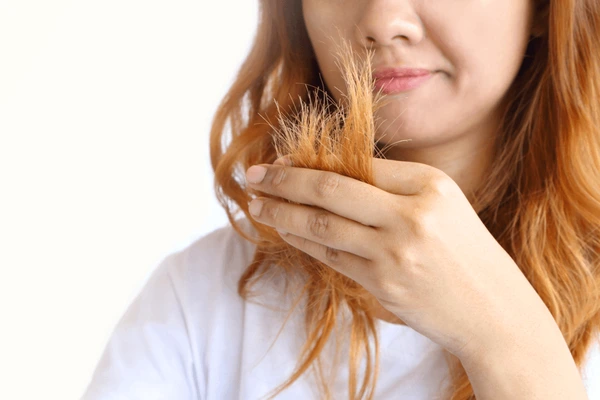
Heat damage doesn’t always show up overnight. Often, it sneaks in slowly until your hair no longer behaves the way it used to. Watch for these warning signs:
- Ends that feel rough, stiff, or crunchy
- Strands snapping during brushing or styling
- Loss of shine and elasticity
- Split ends that reappear quickly after trims
If these sound familiar, your routine needs a reset — especially if heat styling is part of your weekly (or daily) habits.
The Ultimate Routine to Prevent Heat Damage & Breakage
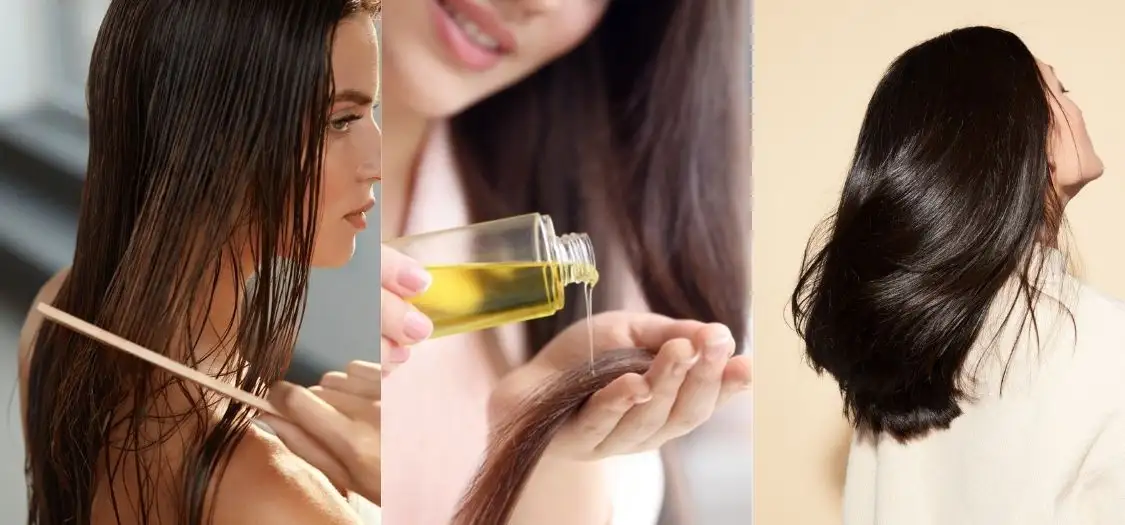
Want sleek styles without sacrificing your length? This routine minimizes hair breakage from heat while keeping hair strong, smooth, and resilient.
1. Always Use Heat Protection
A heat protectant isn’t optional — it’s essential. These formulas create a barrier that slows moisture loss and reduces protein damage. Apply evenly before any blow-drying or heat styling.
Pro tip: Focus heat protectant on mid-lengths and ends, where breakage is most likely to occur.
2. Lower the Temperature
More heat doesn’t mean better results. Most hair types style effectively between 300–350°F. Lower temperatures preserve moisture and dramatically reduce split ends from heat.
3. Limit Heat Frequency
Daily heat styling compounds damage quickly. Aim to use hot tools no more than 1–2 times per week and embrace heat-free styles in between.
4. Strengthen with Moisture & Protein
Heat-styled hair needs balance. Deep conditioners replenish moisture, while light protein treatments help rebuild weakened strands. Look for formulas with keratin, silk proteins, or amino acids.
5. Seal and Protect the Ends
Your ends are the oldest — and weakest — part of your hair. Lightweight oils or serums help reduce friction and slow the formation of split ends.
How to Remove Heat Damage Without Losing Length
Once hair is split or broken, no product can permanently repair it. Strategic trimming is the only real solution — but that doesn’t mean chopping inches.
Tools like the Split Ender Mini 2 allow you to remove split ends caused by heat without sacrificing length. This precision split end trimmer targets only damaged tips, keeping healthy hair intact.
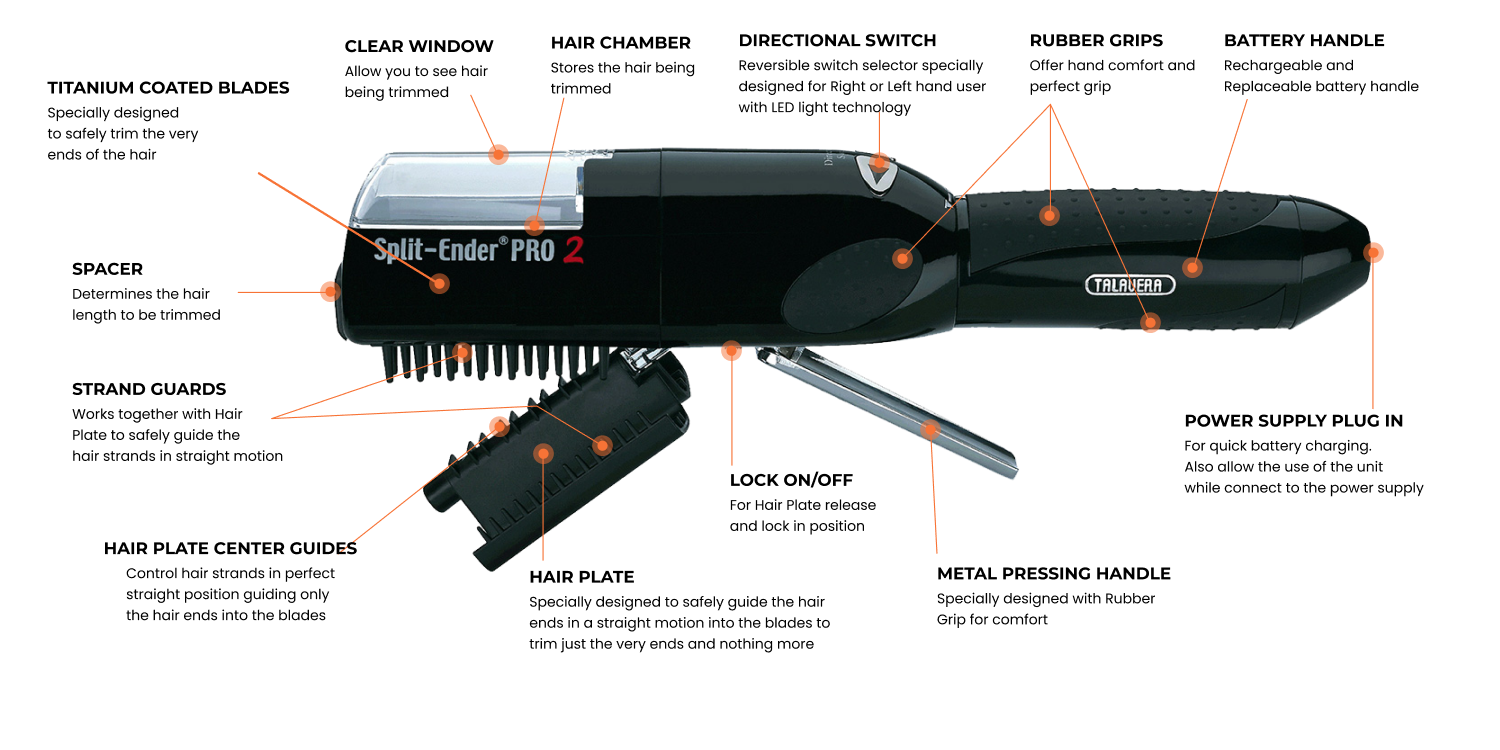
For women growing out heat damaged hair, this type of maintenance tool is often the best product for heat damaged hair after conditioning treatments.
Weekly Heat-Safe Hair Care Schedule
| Day | Care Step | Goal |
| Monday | Wash + deep condition | Restore moisture |
| Wednesday | Leave-in + oil ends | Prevent breakage |
| Friday | Heat style (with protectant) | Style safely |
| Sunday | Dust split ends | Stop damage from spreading |
Final Thoughts: Style Smart, Not Hard
Heat styling doesn’t have to ruin your hair — but it does require strategy. By lowering temperatures, protecting your strands, and removing damage before it spreads, you can finally break free from heat damage hair breakage and keep your length healthy.
Consistency matters. Treat your hair with intention, and it will reward you with strength, shine, and growth.
Frequently Asked Questions
Can heat damage be reversed?
Heat damage can’t be fully repaired, but it can be managed. Conditioning treatments improve appearance, while trimming removes damaged ends permanently.
How often should I heat style my hair?
For healthiest results, limit heat styling to once or twice per week and always use a heat protectant.
What temperature is safest for styling hair?
Most hair types style well between 300–350°F. Higher temperatures dramatically increase breakage risk.
What’s the best way to remove split ends from heat damage?
Precision trimming tools like the Split Ender Mini 2 remove split ends without reducing length, making them ideal for maintaining heat-styled hair.