

THE BEAUTY EDIT · PERSONAL STYLE ISSUE
THE PERFECT
HAIR MATCH
Find the Cut, Shape & Style That Truly Works for You
Face shape. Hair texture. Volume. Lifestyle. The best haircut isn't about following a rule. It's about discovering what makes you feel extraordinary.
THE STYLE QUESTION EVERYONE ASKS
Ever loved a haircut on someone else... only to wonder if it would work on you?
We've all been there. You save the picture. You imagine the transformation. You walk into the salon ready for your main-character moment.
But the secret to a haircut you truly love isn't simply copying a celebrity, a viral video, or the latest salon trend.
It's understanding how your face, natural texture, hair density, styling preferences, and everyday routine come together.
And here's the liberating part: there is no scientifically proven rule that says a particular face shape can wear only one type of haircut.
Instead, different cuts create different visual effects. You get to decide which ones you love.
“The perfect haircut isn't the one that follows every beauty rule. It's the one that feels like you.”
YOUR HAIR MATCH FORMULA
Four things to consider
What visual balance or emphasis do you prefer?
How does your hair fall, wave, curl, or coil?
How much hair do you have, and how fine or coarse are the fibers?
How much styling time do you actually enjoy?
CHAPTER 01
The Face Shape Edit
Face-shape guides can be a fun place to begin, but they are not beauty laws. Most faces combine characteristics from more than one category, and features such as hairline, jawline, forehead, and cheekbones vary naturally.
Think of the following suggestions as creative starting points, not restrictions.

Oval
Experiment with sleek bobs, long layers, pixies, or curtain bangs. Let texture and personal style lead the decision.
Round
Long layers and off-center parts can create a lengthening visual effect. Rounded bobs can beautifully emphasize softness instead.
Square
Soft waves, textured layers, and airy bangs can create contrast with angular lines. A sharp bob can celebrate those lines.
Heart
Chin-length movement, side-swept bangs, and layers near the jaw can shift the visual focus toward the lower face.
Oblong
Curtain bangs, full bangs, and side volume can create a wider visual impression. Long sleek hair remains an equally valid choice.
The real question: which effect makes you feel most confident?
CHAPTER 02
Know Your Hair Texture
Your natural texture affects how a haircut falls, expands, contracts, and responds to styling. A shape that looks one way on straight hair may behave very differently on tight curls.

Straight Hair
Precision bobs, blunt lines, and softly layered cuts can highlight a sleek natural fall. Lightweight styling may help preserve movement without excessive buildup.
Wavy Hair
Lobs, textured bobs, and carefully placed layers can complement natural bends. Consider how your waves look when air-dried, not only after a blowout.
Curly Hair
Shape, shrinkage, curl grouping, and volume distribution matter. Discuss whether you usually style your curls wet, dry, stretched, or naturally defined.
Coily Hair
Sculpted shapes, rounded cuts, tapered silhouettes, and layered styles offer many possibilities. Shrinkage and styling methods should guide how the final length is planned.
Beauty-science note: Curl pattern, strand thickness, hair density, porosity, and scalp condition are different characteristics. A curl-type label alone cannot predict every styling need.
CHAPTER 03
The Magic of Face-Framing
Sometimes, the most noticeable transformation doesn't come from cutting ten inches. It comes from changing the pieces that surround your face.

Curtain Bangs
These parted bangs can soften the transition between the forehead and cheekbones. Their length, thickness, and styling requirements make a big difference.
Face-Framing Layers
Shorter pieces near the front can add movement and shift attention toward particular features without requiring a dramatic change in overall length.
The Modern Fringe
Wispy, full, textured, or side-swept bangs each create a different impression. Ask your stylist how they will behave with your natural growth pattern and styling routine.
A few carefully placed inches can completely change the mood of a hairstyle.
CHAPTER 04
Fine Hair vs. Thick Hair
Here's a detail that changes everything: fine hair and thin hair are not the same thing.
Strand thickness describes the diameter of an individual fiber. Hair density describes how many hairs grow within an area of the scalp.
You can have fine strands and lots of them, or coarse strands with lower density.

Fine Strands
Blunt cuts may create the appearance of fuller ends. Subtle layers can add movement, but excessive layering may reduce the fullness of the perimeter.
Thicker Strands
Strategic layers may help redistribute bulk and create movement. The right shape depends on density, texture, length, and how you wear your hair.
Neither texture is better. The goal is to choose a shape that works with the amount and behavior of hair you have.
CHAPTER 05
Your Lifestyle, Your Haircut
A hairstyle can look amazing in a salon photograph and still be completely wrong for the amount of time you want to spend styling it.
That's not a failure of the haircut. It's a mismatch between the look and the routine.

The Low-Maintenance Edit
Consider cuts that work well with your natural texture, require fewer heat-styling steps, and grow out in a way you enjoy.
Possible inspiration: a softly layered lob, a natural-texture cut, or long layers that don't demand daily precision styling.
The Glamour Edit
If you love blowouts, polished bangs, or dramatic layered movement, embrace them—but consider the tools, time, and regular upkeep involved.
Possible inspiration: long cascading layers, a styled curtain fringe, or a sculpted salon blowout.
Five Questions to Ask Your Stylist
- How will this cut look when I air-dry my hair?
- How much styling time will it need?
- Will it behave differently with my natural texture?
- How often will I need to refresh the shape?
- What changes can preserve more of my current length?
CHAPTER 06
Keep the Look Beautiful
Finding a haircut you love is only half the story. The other half is keeping it manageable, comfortable, and beautifully maintained.

There is no universal washing schedule. Adjust to oiliness, activity, buildup, and hair needs.
A suitable conditioner can improve manageability and reduce friction during detangling.
Avoid aggressive pulling. Choose detangling methods appropriate for your texture.
Use appropriate temperatures and techniques, and avoid unnecessary repeated exposure.
Check for visible split ends, tangling, and unevenness. Trim when the condition of your hair calls for it.
The Detail That Changes Everything: Your Ends
Even a beautiful haircut can lose its polished appearance when the ends become rough, uneven, or visibly split. Conditioning can temporarily improve feel and appearance, but a physically split tip cannot biologically repair itself. Trimming removes the damaged portion.
THE HAIR MAINTENANCE EDIT
Beautiful Cuts Deserve Thoughtful Maintenance
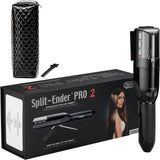
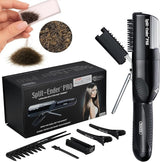
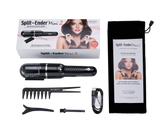
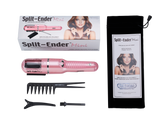
Split Ender tools are designed to trim hair tips, including some split or damaged ends, while aiming to preserve the appearance of overall length. They are trimming tools—not treatments that restore the internal structure of damaged hair.
Always follow the instructions for your specific device and confirm its suitability for your hair type and condition.
CHAPTER 07
The Hair Match FAQ
What haircut is best for a round face?
There is no single best haircut. Long layers may create a lengthening effect, while a rounded bob can emphasize softness. Your texture, styling preferences, and desired look matter more than following a strict rule.
Can I wear bangs with curly hair?
Absolutely. Curly bangs can be beautiful. Consider shrinkage, curl pattern, and how the bangs will look when styled naturally.
Do layers make fine hair look thinner?
They can, depending on placement and how much hair is removed. Subtle layers may add movement, while a blunt perimeter can create a fuller-looking edge.
What is the difference between fine and thin hair?
Fine describes individual strand diameter. Thin generally refers to lower hair density. Someone can have fine strands with high density or coarse strands with lower density.
Are curtain bangs high maintenance?
They can require regular styling and occasional trims, especially when the hair's natural growth pattern doesn't fall into the desired shape.
What is the easiest haircut to maintain?
That depends on your texture and routine. A simple long-layered cut may be effortless for one person, while a short style may be easier for another.
Can a haircut make hair healthier?
Cutting can remove worn or split ends and improve the appearance of the hair. It does not change the health of the follicles or biologically repair the remaining hair shaft.
How often should I trim my ends?
There is no universal schedule. Your ideal frequency depends on visible splitting, breakage, styling habits, haircut shape, and length goals.
THE FINAL STYLE NOTE
Your Perfect Hair Match
Is the One You Love Wearing.
A beautiful haircut should work with your features, celebrate your natural texture, and fit the life you actually live.
Wear the cut. Own the look. Care for every end.
EXPLORE SPLIT ENDER →Editorial note: Hairstyle suggestions are creative options, not objective rules about attractiveness. Hair texture, density, strand diameter, and styling needs vary among individuals. Product descriptions refer to intended trimming functions and do not imply permanent repair of damaged hair fibers.