

Does Washing Your Hair Less Often Make It Look Like You're Shedding More?
The Science Behind Wash-Day Hair Shedding—and Why Your Shower Drain May Be Exaggerating the Drama
Yes, washing your hair less often can make it look like you're shedding more hair on wash day, even when your actual shedding rate has not increased. Hair naturally completes its growth cycle and sheds whether you shampoo daily or not. When several days pass between washes, some released strands can remain caught among surrounding hairs until washing, conditioning, or detangling brings them out together.
That impressive collection in the shower drain may represent several days of accumulated shedding rather than one sudden episode of hair loss. However, washing frequency cannot explain every increase in shedding. Changes in density, persistent excessive shedding, or scalp symptoms deserve attention beyond the bathroom floor.
1. Why Does More Hair Come Out When You Finally Wash It?
Your scalp doesn't wait for shampoo day to release hairs. Each follicle follows its own growth cycle, and strands naturally shed as that cycle progresses.
The American Academy of Dermatology (AAD) estimates that shedding 50–100 hairs per day is typical, although individual patterns vary. Source: AAD.
Now imagine washing your hair after four days instead of one. Some naturally released hairs may remain entangled in your lengths, particularly if you wear curls, braids, or low-manipulation styles. When water, conditioner, and fingers finally move through your hair, those strands can emerge together.
The shower drain gets the entire performance. Your scalp may simply have been following its usual schedule.
A 2017 study involving 300 women found that noticeable shedding was reported more often on wash days than on non-wash days. Among participants without female pattern hair loss, approximately 40% reported excessive-looking wash-day shedding, compared with approximately 8% on non-wash days. These were self-reported observations, not proof that washing caused hair loss. Source: 2017 study.
The Wash-Day Hair Shedding Mystery
Why several days of shed strands may appear all at once

2. Does Shampooing Actually Cause Hair to Fall Out?
Ordinary shampooing does not automatically cause hair loss. It often makes hairs already ready to shed more visible. But washing involves several processes, and they do not all affect hair the same way.
Water and shampoo remove oil, sweat, and buildup. Massaging moves strands around. Detangling separates knots. Rough handling, however, can damage the hair shaft and cause breakage.
That means the hair you see after washing can include both naturally shed strands and broken pieces.
A 2021 study examining shampoo frequency in Asian participants found that more frequent washing was associated with better scalp and hair-condition outcomes in the populations studied. It did not establish one ideal schedule for everyone, and the research was funded by a shampoo manufacturer. Source: shampoo-frequency study.
So neither daily washing nor weekly washing is automatically the villain. Your scalp's oil production, hair texture, styling habits, and product use should guide your routine. For a closer look at mechanical damage, explore our guide to preventing hair breakage while brushing.
3. How Can You Tell Normal Shedding From Hair Breakage?
Shedding happens when a hair leaves the follicle; breakage happens when a hair shaft fractures somewhere along its length. Both can appear in your brush or shower, but they call for different kinds of attention.
| What you notice | Possible explanation | What to consider |
|---|---|---|
| Long strands close to your usual hair length | Naturally shed hairs | Compare with your normal pattern |
| Short, uneven pieces | Hair shaft breakage | Review heat, friction, and detangling |
| More hairs after several days without washing | Accumulated released strands | Consider time between washes |
| Increasing scalp visibility | Possible density change | Seek professional assessment |
| Hairs with scalp irritation | Possible scalp condition | Consult a dermatologist |
A shed hair may have a small, pale club-shaped end, but examining individual strands at home is not a reliable diagnostic test.
Length also changes perception. Ten long strands can look like an entire hairpiece when gathered together. In the same 2017 study, 49.4% of participants with long hair reported excessive-looking shedding on wash days, compared with 9.1% of participants with short hair. This association does not establish that long hair sheds more from the follicle. Source: 2017 study.
For a broader look, read how to read the signs your hair is showing.
Shedding vs. Breakage: A Hair Science Close-Up
Two different processes, two different approaches

4. How Often Should You Wash Your Hair If You're Worried About Shedding?
There is no universal shampoo schedule that prevents hair shedding. The goal is to keep your scalp comfortable and your lengths manageable without unnecessary mechanical stress.
- Assess your scalp. Notice oiliness, itching, flakes, and product buildup rather than following a rigid calendar.
- Choose a comfortable interval. Wash when your scalp needs cleansing, whether frequently or less often.
- Detangle gently. Use conditioner for slip and work through knots in small sections.
- Massage with fingertips. Avoid aggressively scratching with fingernails.
- Handle wet hair carefully. Reduce pulling, rough towel friction, and excessive heat.
- Watch patterns over time. Compare similar wash routines instead of judging one dramatic shower.
For textured or tightly curled hair, keeping strands detangled and reducing manipulation may be especially important. A routine that works for fine, oily hair may be unsuitable for dense coils.
During colder months, indoor heating, hats, and scarves can add friction to the lengths. That affects breakage risk, not necessarily follicular shedding.
A Gentle Autumn Wash-Day Routine
Comfortable scalp care and lower-friction detangling

5. When Is Wash-Day Shedding Worth Checking With a Dermatologist?
A sudden, persistent change from your usual shedding pattern deserves more attention than one unusually full shower drain.
Consider professional evaluation if you notice increasing scalp visibility, widening areas of thinning, distinct patches of missing hair, or persistent shedding that seems clearly different from your baseline. Scalp pain, redness, inflammation, or significant itching also deserve assessment.
The AAD notes that excessive shedding can follow major physical or emotional stressors, fever, illness, childbirth, or substantial weight loss. A noticeable increase may appear months after the triggering event. Source: AAD.
A 2022 study involving 176 participants used a standardized daily wash-collection method. Researchers reported mean daily shed-hair counts of 27.9 in participants without diagnosed hair loss, 52.2 in those with androgenetic alopecia, and 125.5 in those with telogen effluvium. These figures came from controlled research conditions and should not be treated as at-home diagnostic cutoffs. Source: refined wash-test study.
If you're concerned, document when the change began, recent illnesses or major stressors, and whether your scalp or hair density looks different. For seasonal context, explore our existing article on fall hair shedding.
6. Can Better Hair-End Care Make Wash Days Less Stressful?
Healthy hair-end care can help reduce avoidable breakage, but it cannot stop normal follicular shedding or treat medical hair loss. That distinction matters.
Bleaching, repeated heat styling, rough brushing, and friction can weaken lengths. When fragile strands snap during detangling, the resulting pieces add to the collection you see on wash day.
Conditioning, gentle handling, and appropriate trimming can help manage this type of damage.
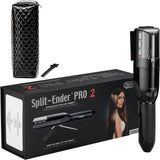
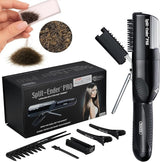
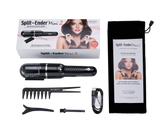
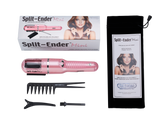
For readers who want to maintain length while addressing damaged ends, the Split Ender Pro2 is designed to trim protruding hair ends along the lengths. It is a grooming tool—not a treatment for hair loss or shedding.
At Split Ender, we believe understanding the difference between scalp health and strand maintenance leads to better decisions. Your shower drain may be dramatic, but your hair-care routine doesn't have to be.
Frequently Asked Questions
Is it normal to lose more hair after not washing it for a week?
It can be. Naturally released hairs may accumulate between washes and become visible during shampooing or detangling. However, a large amount of hair is not automatically normal simply because a week has passed. Consider your usual pattern and any noticeable changes in density.
Does washing my hair every day prevent shedding?
No. Shampooing more often may spread visible shed hairs across several wash days, but it does not stop the normal hair-growth cycle. Daily washing can suit some scalps, while others need a different routine. Choose frequency based on scalp needs and hair tolerance.
Why do I see more hair in the shower than in my brush?
Water, conditioner, scalp massage, and detangling can release hairs that remained caught among other strands. Your brush may collect fewer hairs if you rarely brush between washes. Hair length and texture also influence how noticeable the collected strands appear.
Should I stop brushing my hair to reduce shedding?
Avoiding brushing will not stop hairs that are naturally ready to shed. Instead, choose a detangling method appropriate for your texture, work gently, and minimize pulling. Excessive tension can cause breakage, which is different from normal follicular shedding.
Can split ends cause hair shedding from the scalp?
No. Split ends are damage to the hair shaft, usually near the tips, while shedding involves hair leaving the follicle. Damaged ends can contribute to tangling and breakage, but trimming them does not change the scalp’s natural shedding cycle.